
Advertisement
You eat healthily, go to the gym regularly, and yet you just can’t seem to get rid of that stubborn belly fat. You’ve also noticed that your face looks more swollen than usual. Before you blame yourself for not doing enough, consider this: the stress hormone cortisol could be getting in your way.
High cortisol levels not only make you feel nervous and overwhelmed; but they also affect the way your body stores fat, especially around the middle and in the face. This can lead to a so-called “moon face” and belly fat that is difficult to get rid of through diet and exercise. In women in particular, chronic stress and hormonal fluctuations can keep cortisol levels permanently high. This makes weight management a real challenge.
What would you say if we told you that regulating cortisol levels could be the missing piece of the puzzle on your path to greater well-being? Recent research shows that certain natural compounds can help regulate cortisol production. This supports both stress management and healthy weight distribution.
In this article, we’ll look at how cortisol affects your body, debunk a few common myths about stress and weight gain, and show you what science says about natural cortisol management. We’ve also tested the most popular cortisol-balancing supplements on the market so you can find a solution that really works.
What is cortisol and why does it lead to weight gain?
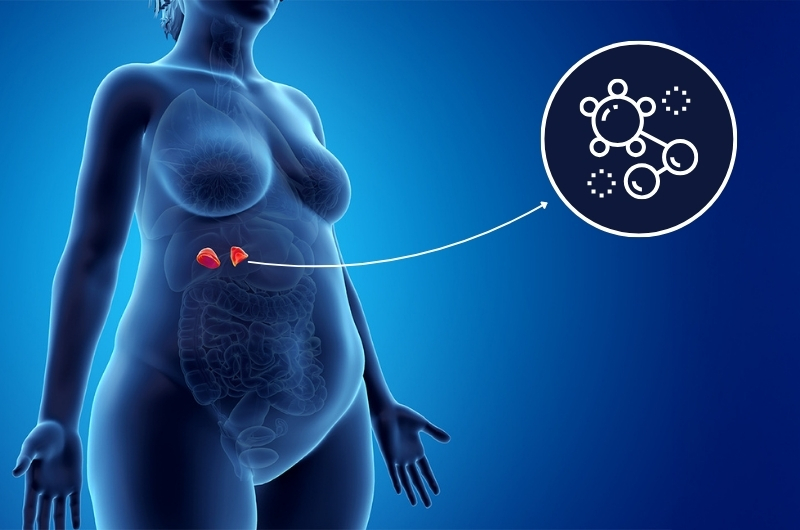
Cortisol is often referred to as the “stress hormone”, and for good reason. It is produced in your adrenal glands and plays an important role in your body’s fight-or-flight response. When you find yourself in a stressful situation, such as a deadline at work, a relationship conflict, or intense exercise, your body releases cortisol to help you cope.
In normal amounts, cortisol is very important. Among other things, it helps regulate blood sugar, reduce inflammation, controls the sleep-wake cycle, and supports memory formation. The problem begins when cortisol levels remain elevated over a long period of time due to chronic stress, poor sleep or hormonal imbalances.
The link between cortisol and weight gain
If your cortisol levels remain high for a long period of time, it can lead to weight gain. The following happens in your body:
- Increased appetite and cravings
- Fat deposits in the abdominal area
- Round face and facial swelling
- Muscle loss
- Disturbed sleep
Regulating cortisol naturally: important ingredients that help
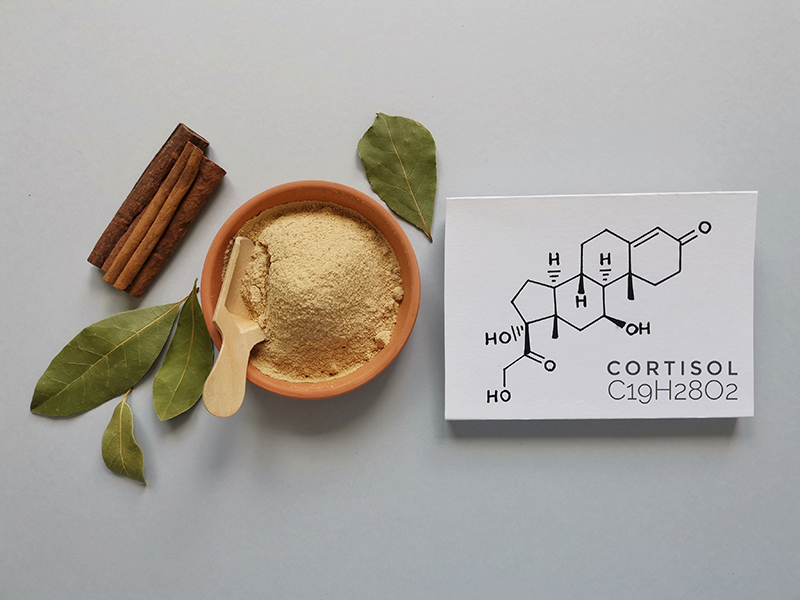
It has been scientifically proven that certain natural substances help regulate cortisol levels and support the body’s stress response. Below, you can find out what research says about the most effective options.
Ashwagandha (Withania somnifera)
Ashwagandha is a well-researched adaptogen that supports the HPA axis and helps regulate cortisol. Studies show that ashwagandha can lower cortisol levels by about 28% and significantly reduce stress, cravings, and body weight.
Rhodiola rosea
Rhodiola can help the body cope with physical and emotional stress. There is evidence that it can lower cortisol levels in stressful situations and increase energy, concentration, and resistance to burnout.
Magnesium
Magnesium is important for regulating stress responses. However, chronic stress can lead to magnesium deficiency. Taking magnesium has been shown to normalise cortisol levels and reduce stress-related reactions in the form of anxiety.
B vitamins (B5 and B6)
B vitamins are important for adrenal gland function and neurotransmitter production. Studies show that they improve stress resistance and mood and help the body maintain a healthier cortisol response.
Black pepper extract (piperine)
Piperine does not regulate cortisol directly, but it improves the absorption of nutrients and herbs, allowing substances such as ashwagandha and rhodiola to work more effectively.
Cortisol and weight: common myths debunked

There is a lot of misinformation about cortisol, stress, and weight management. Let’s separate the facts from myths.
Myth 1: “All stress leads to weight gain”
That’s not true. Acute stress usually reduces appetite and can boost metabolism slightly. Chronic stress, on the other hand, keeps cortisol levels high and can lead to weight gain. A study published in the journal Appetite shows that the relationship between stress and eating is quite complex: while some people eat less when under short-term stress, calorie intake increases with long-term stress, especially when it comes to comfort food. So, the most important factors are the duration and intensity of stress.
Myth 2: “You can get rid of cortisol completely”
You can’t and shouldn’t. Cortisol is important for waking up, coping with challenges, regulating inflammation, and having energy. The goal is a healthy level and a normal daily rhythm: high in the morning, low in the evening.
Studies show that unusually low cortisol levels, such as those seen in Addison’s disease, can lead to severe fatigue, weakness, weight loss, and serious health risks. The key is balance, not elimination.
Myth 3: “Exercise always lowers cortisol levels”
Not always. While moderate exercise can lower cortisol levels over time, intense or prolonged training causes them to rise temporarily as a normal stress response. As research in the journal Sports Medicine shows, high-intensity or endurance training drives cortisol levels even higher when sleep, nutrition or recovery are lacking. This is particularly problematic for people who already struggle with chronic stress.
The solution is not to avoid exercise, but to balance it. Walking, yoga, swimming and light strength training, for example, ensure healthier cortisol levels without major fluctuations. In short, smart training and good recovery lead to better cortisol regulation.
Surprising facts about cortisol: Did you know that?
Fact 1: Women are more prone to cortisol-induced weight gain.
Women generally show stronger cortisol responses to stress. As a study published in the journal Psychosomatic Medicine shows, this stronger response leads to more belly fat compared to men. Hormonal fluctuations, for example during the menstrual cycle, pregnancy or menopause, can further increase the effect of cortisol.
A study published in The Journal of Clinical Endocrinology & Metabolism has shown that women in perimenopause and postmenopause with higher cortisol levels accumulate significantly more visceral belly fat over time. In addition, women are more prone to stress-related emotional eating, which is influenced by the interaction of cortisol with oestrogen, progesterone and appetite hormones.
Fact 2: Cortisol not only influences how much fat you store, but also where you store it.
A study published in The American Journal of Physiology showed that people with elevated cortisol levels have much more fat in their torso than in their limbs compared to people with normal cortisol levels – even if their overall body fat percentage is similar.
This explains why people often have belly fat and a puffy face, but thinner arms and legs. Since cortisol controls fat distribution, normal diets and exercise often do not help to improve these areas if cortisol levels are not regulated.
Fact 3: Cortisol is subject to daily rhythm.
About 30 minutes after waking up, cortisol reaches its peak (the so-called “cortisol wake-up response”) and then declines throughout the day. It reaches a low point around midnight, which is important for good sleep. Chronic stress disrupts this pattern.
Research in the journal Psychoneuroendocrinology shows that stressed people often have a “flattened” curve, meaning low cortisol in the morning and high levels in the evening, leading to fatigue, insomnia and metabolic problems. Many cortisol supplements aim to restore this rhythm rather than simply lowering cortisol levels.
The 3 most important criteria when choosing a supplement for cortisol balance
When choosing a supplement to support healthy cortisol levels, quality and composition are key. Here are the most important points to look out for:
Criterion 1: Clinically tested ingredients in effective dosages
Look for supplements with adaptogens and nutrients that have been shown to influence cortisol regulation. Among the most researched options are ashwagandha (especially the standardised KSM-66® extract, which contains specific amounts of withanolides), Rhodiola rosea, magnesium, and vitamins B5 and B6. Studies show that these work best at specific dosages. For example, the strongest evidence suggests that 300–600 mg of ashwagandha extract daily is most effective at lowering cortisol levels.
Criterion 2: Better absorption and bioavailability
The active ingredients are only effective if your body can absorb them properly. High-quality dietary supplements contain substances that improve bioavailability. One example is black pepper extract (piperine), which can significantly increase the absorption of plant-based active ingredients. Without these substances, you may benefit less from the stated amounts of ingredients.
Criterion 3: Good manufacturing practice and purity standards
Choose dietary supplements that are manufactured according to GMP and HACCP standards – ideally in the EU, where regulations are particularly strict. The product should be free of unnecessary fillers, artificial additives, and common allergens. Reputable manufacturers provide certificates of analysis and test results from independent bodies to confirm the purity and effectiveness of their products.
The best dietary supplements for cortisol balance compared: our selection
We have thoroughly tested the best dietary supplements for cortisol balance on the market. We analysed factors such as the quality of the ingredients, scientific evidence, the effectiveness of the dosage, bioavailability, manufacturing standards, and customer experiences.
Our comprehensive comparison has identified some outstanding products. They combine clinically researched adaptogens with essential nutrients in optimal ratios and are manufactured to the highest European quality standards. This ensures maximum effectiveness and safety.
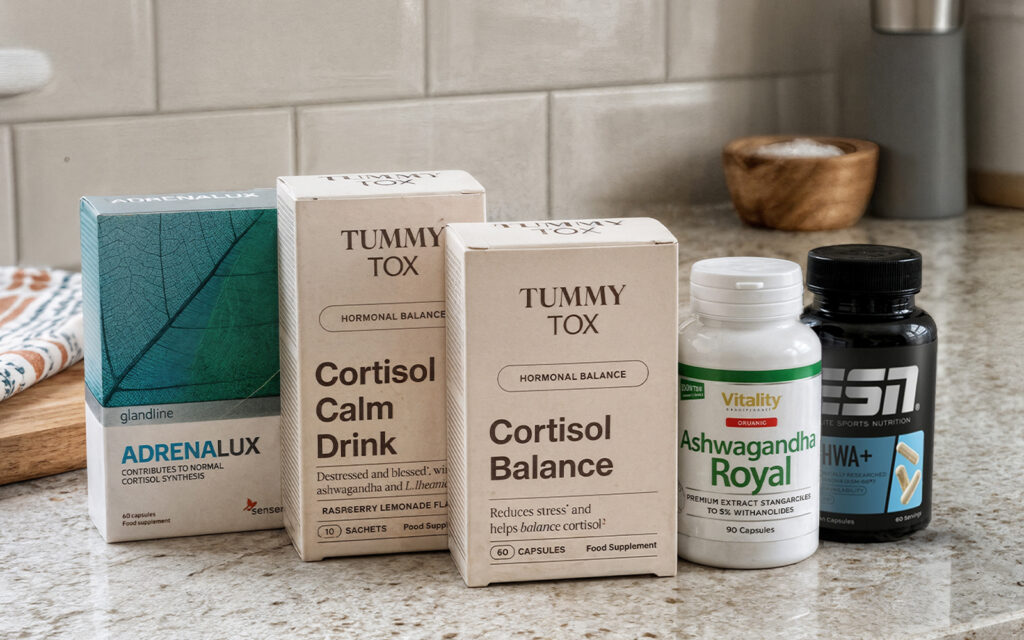
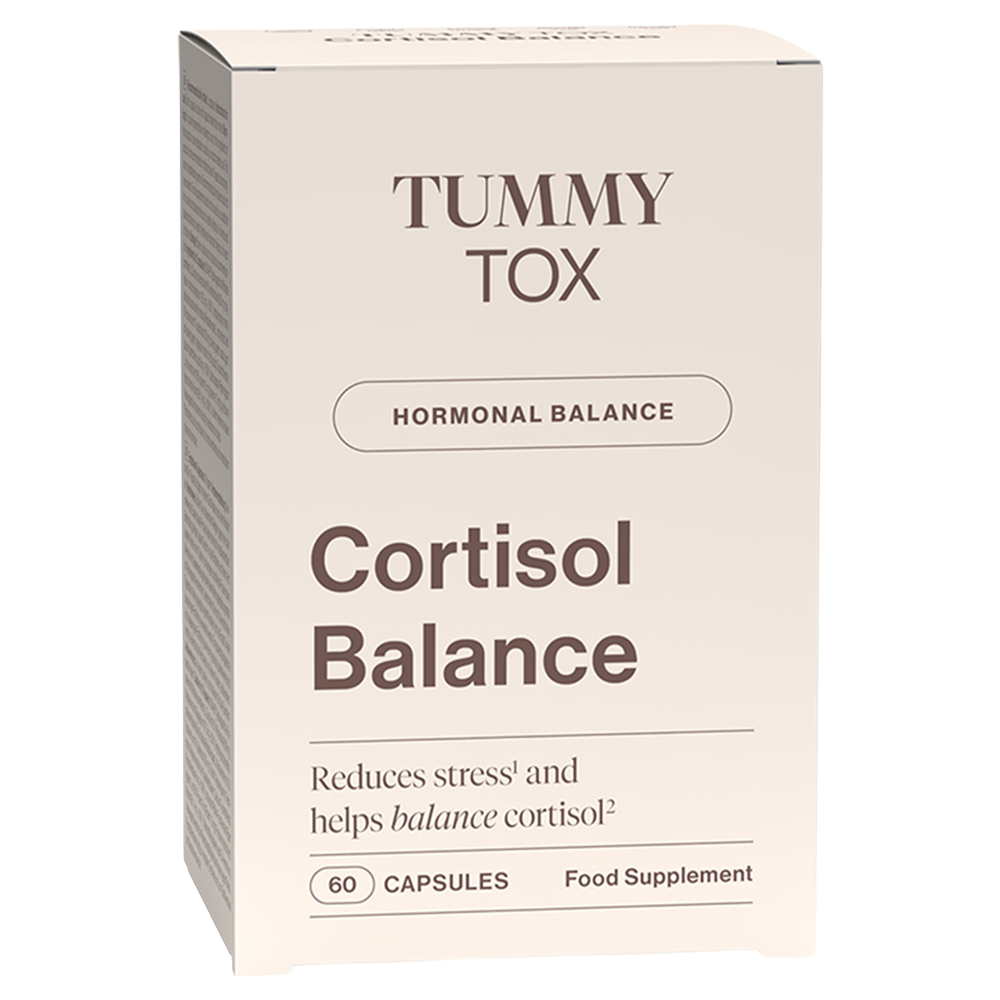
1st place: TummyTox Cortisol Balance
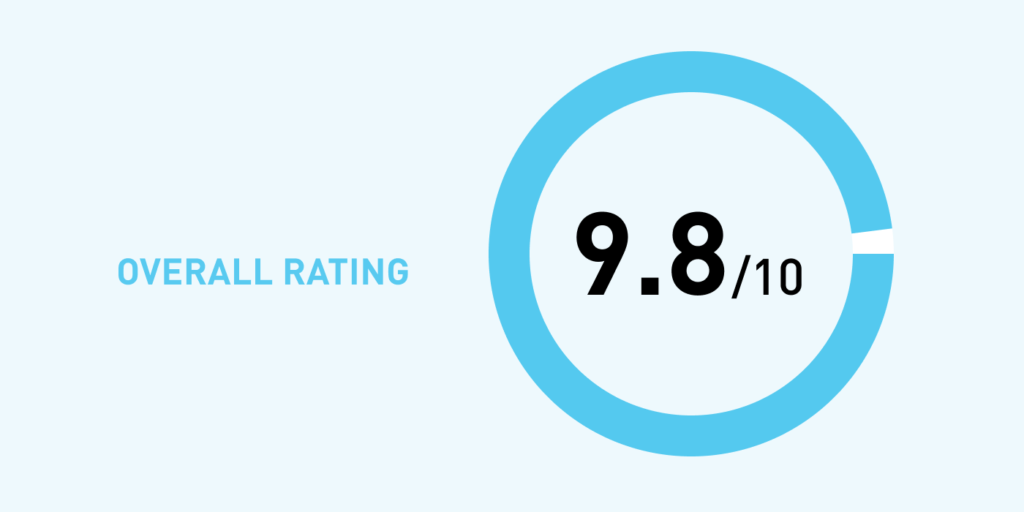
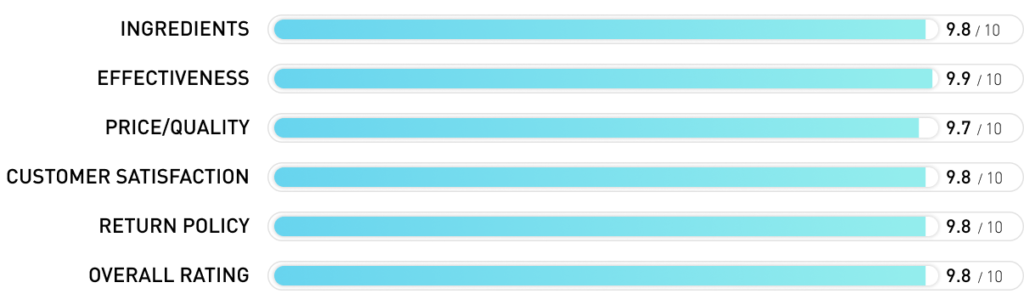
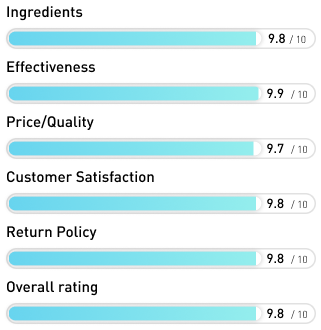
ADVANTAGES
- Contains high-quality KSM-66® ashwagandha, the most clinically researched extract proven to reduce stress by 44%.
- Contains Rhodiola rosea, a traditional adaptogen that specifically helps combat mental and physical fatigue.
- Contains magnesium, which supports effective muscle relaxation and stress reduction.
- Enriched with vitamins B5 and B6 to reduce fatigue and support the regulation of stress hormones.
- Adaptogenic formula with multiple ingredients for comprehensive cortisol regulation.
- Hormone-free and suitable for vegans.
- Helps with various stress-related problems such as sleep disorders, poor concentration, and weight management.
- Thanks to the convenient capsule form, daily intake is very easy.
- Helps to quickly relieve stress and ensures long-term hormonal balance.
DISADVANTAGES
- Often sold out due to high demand.
CONCLUSION
Cortisol Balance is a comprehensive, clinically tested solution for managing stress and cortisol levels. The combination of KSM-66® ashwagandha, Rhodiola rosea, magnesium and B vitamins works together to regulate cortisol, alleviate physical symptoms of stress and strengthen overall resilience.
Trusted by over 1 million European customers, it offers excellent value for money and effective support in a convenient capsule form.
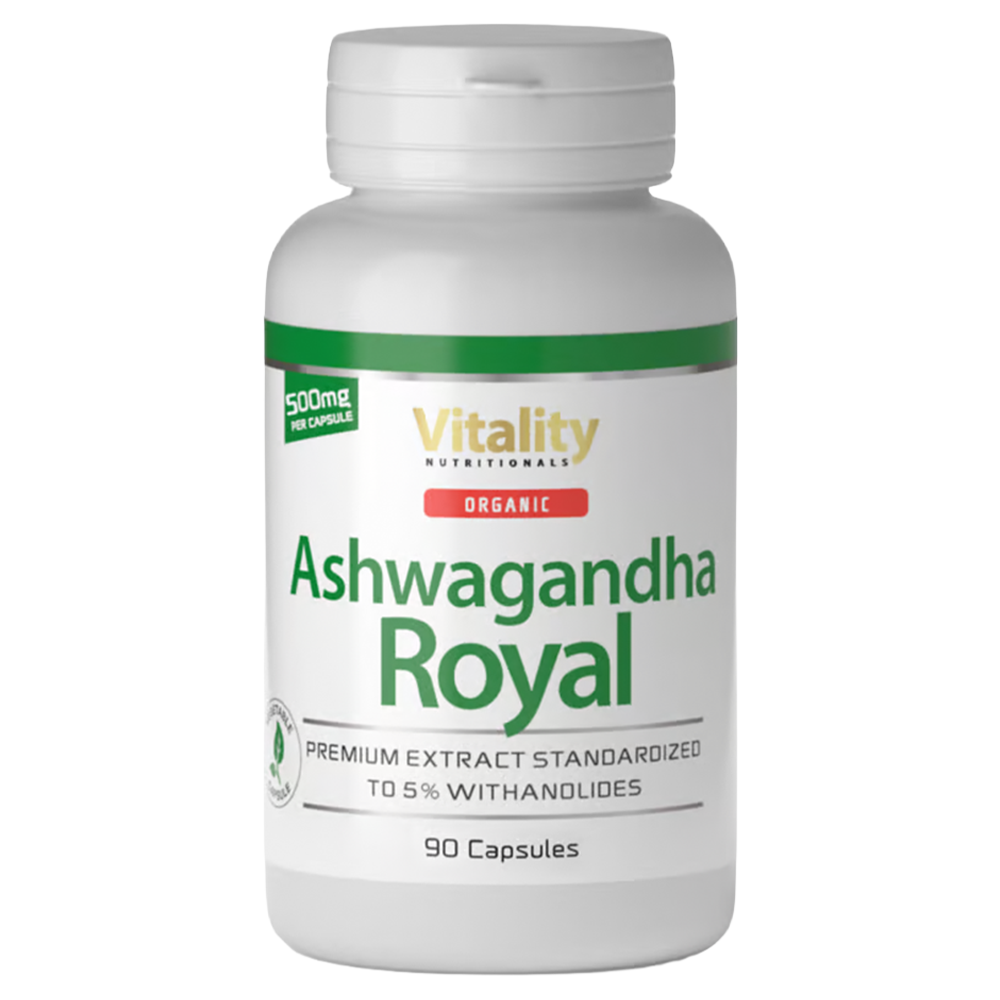
2nd place: Vitality Nutritionals Ashwagandha Royal
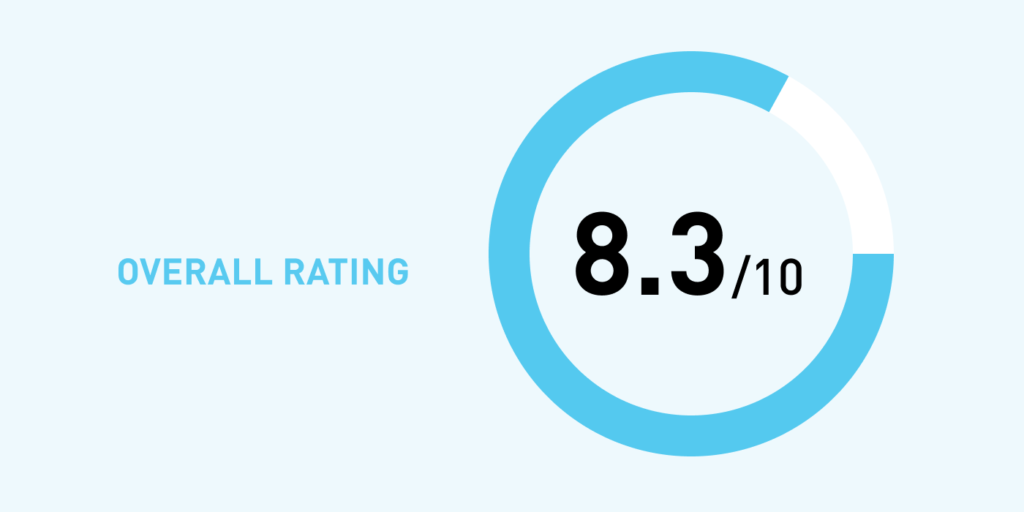
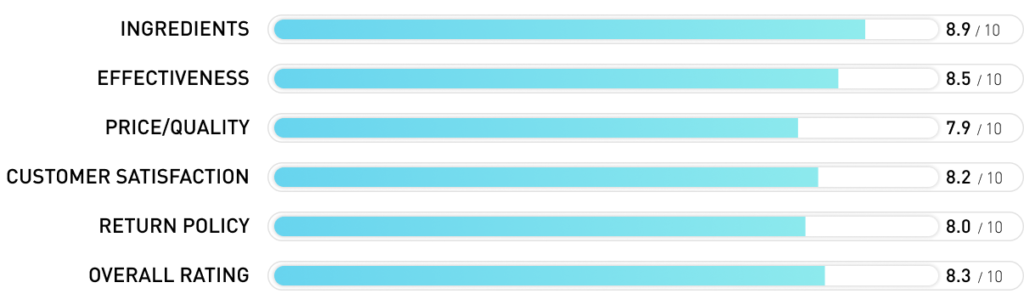
ADVANTAGES
- Contains 500 mg of high-quality ashwagandha root extract per capsule for a meaningful daily dose.
- Standardized withanolide content, supporting a consistent and reliable adaptogenic effect.
- Clean, minimalist formula; free from unnecessary fillers and artificial additives.
- Free from major allergens, making it suitable for sensitive individuals.
- Suitable for vegetarian and vegan diets.
- Easy daily intake thanks to the convenient capsule form.
- Manufactured to high quality standards with rigorous testing for purity and potency.
DISADVANTAGES
- Does not contain Rhodiola rosea, which limits the breadth of adaptogenic support.
- Lacks magnesium, an important nutrient for muscle relaxation and stress regulation.
- Missing B vitamins (B5 and B6), which support adrenal function and the body’s normal stress response.
CONCLUSION
Vitality Nutritionals Ashwagandha Royal is a straightforward, clean label ashwagandha supplement with a solid 500 mg dose per capsule. It suits those looking for a simple, focused ashwagandha supplement without additional complexity.
However, compared to our top-ranked product, it lacks the synergistic combination of Rhodiola rosea, magnesium, and B vitamins that are important for comprehensive cortisol and stress management. For users seeking targeted ashwagandha support alone, it is a decent option, but for broader hormonal balance, it falls short.
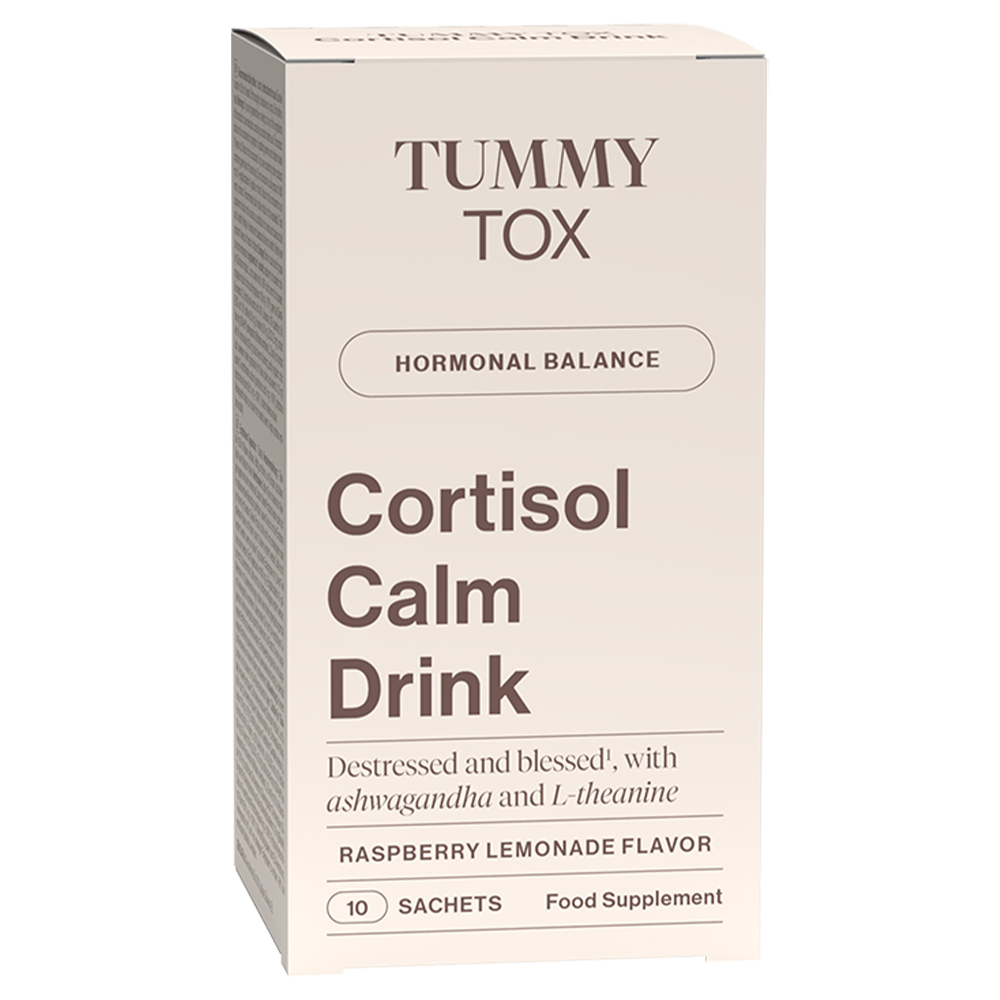
3rd place: TummyTox Cortisol Calm Drink
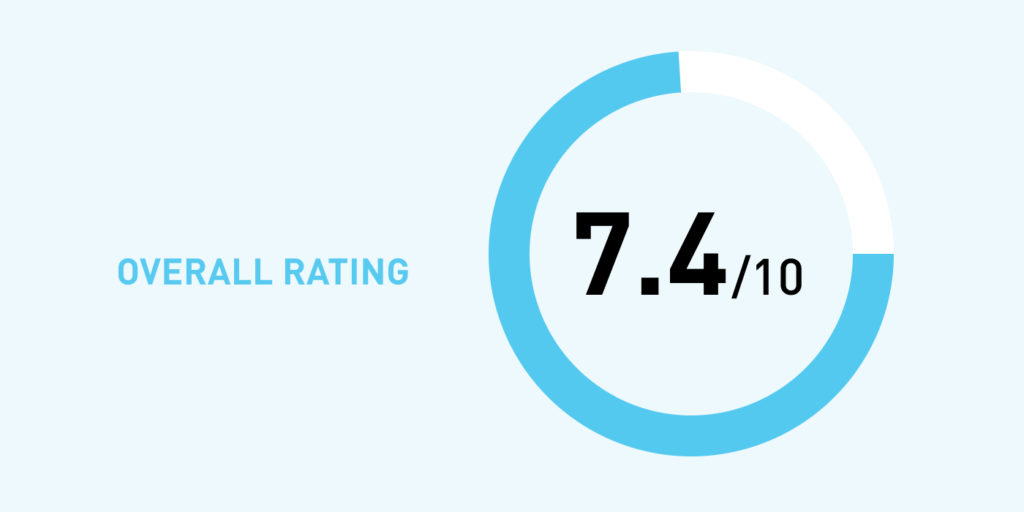
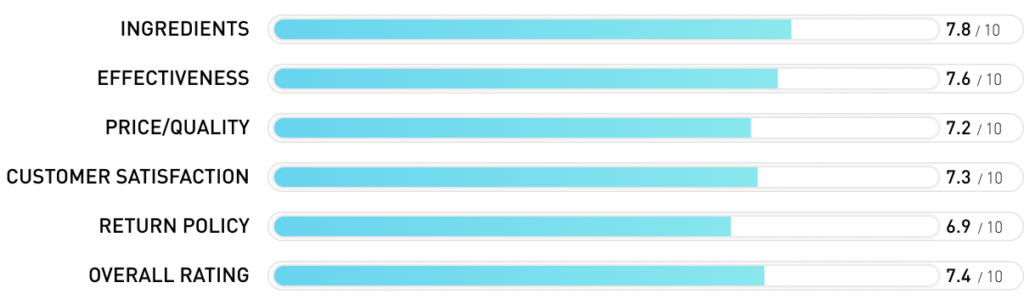
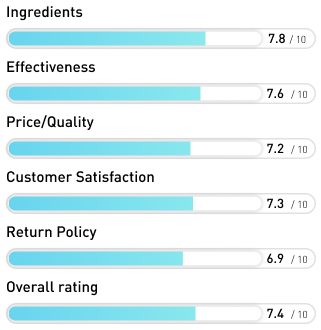
ADVANTAGES
- Contains KSM-66® ashwagandha.
- Contains 200 mg of L-theanine from green tea, which enhances the calming effect.
- Contains 100 mg of magnesium to relax muscles.
- Enriched with vitamins B5 and B6, which contribute 100% of the NRV, to support stress hormone levels.
- Contains 25 mg of EGCG from green tea, which has an antioxidant effect.
- The pleasant raspberry lemonade flavour makes daily intake a pleasure.
DISADVANTAGES
- Does not contain Rhodiola rosea. This means that important adaptogenic synergy effects are missing.
- The caffeine content from green tea is 1.5%. This may influence people who are sensitive to stress.
- Not suitable for pregnant women, breastfeeding women or children under 18 years of age.
- Should not be taken together with other green tea products on the same day.
CONCLUSION
Cortisol Calm Drink comes in a convenient powder form, tastes delicious and combines KSM-66® ashwagandha with important stress vitamins and L-theanine. This offers a unique benefit for mental calmness.
However, the caffeine from green tea can be a problem for people who just want to relax. Without Rhodiola rosea, the adaptogenic effect is also not as strong. In addition, there are some restrictions on its use, making it less than ideal for daily stress relief.
4th place: Sensilab Glandline AdrenaLux – Natural Stress Relief Capsules
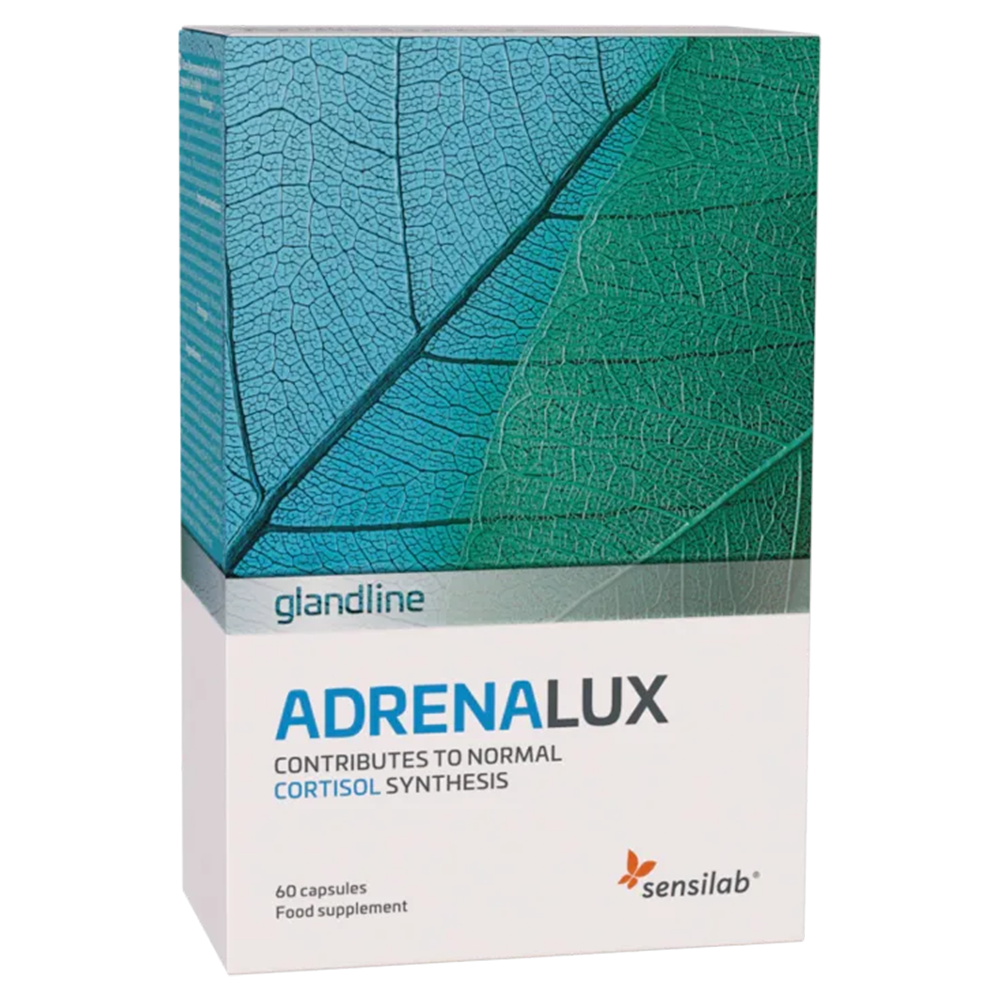
ADVANTAGES
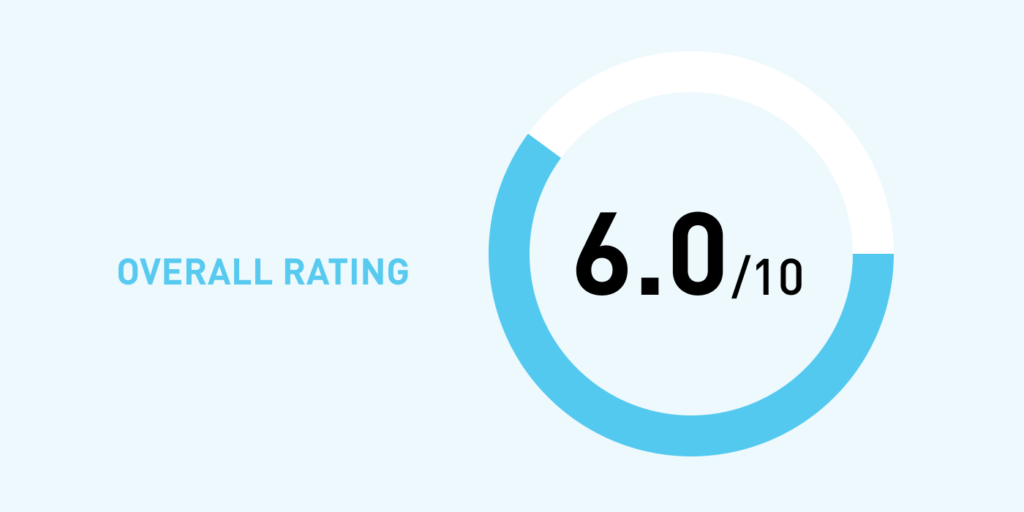
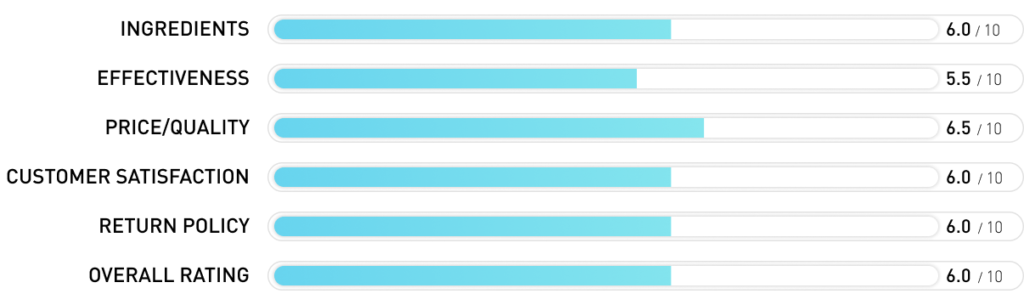
- Contains KSM-66® ashwagandha — a well-researched, full-spectrum root extract with standardised with anolide content.
- Includes Rhodiola rosea, a clinically studied adaptogen that supports resilience to physical and mental stress.
- Formula enriched with magnesium, vitamin B6, and pantothenic acid (B5) — EU-approved for their roles in normal psychological function and energy metabolism.
- 100% hormone-free formulation — no synthetic hormones or steroids.
- Sensilab is an established European supplement brand with a broad customer base across Europe.
DISADVANTAGES
- The two-adaptogen formula offers a narrower ingredient range than the broader multi-stack blends found in higher-ranked products in this comparison.
- No collagen, zinc, or adrenal-supportive minerals such as selenium included, which some competing formulas offer for broader hormonal support.
- No published clinical trial data available for this specific formula.
- Single-capsule format (2 caps/day) offers no staged or time-released delivery mechanism.
- Relatively limited user review base in the UK market.
CONCLUSION
Sensilab AdrenaLux is a straightforward, hormone-free supplement for people looking for basic adaptogenic support. The inclusion of KSM-66® ashwagandha and Rhodiola rosea gives the formula a credible foundation, and the added B vitamins and magnesium cover important nutritional gaps relevant to stress and fatigue.
That said, it may not suit everyone’s needs equally well: the 30-day pack size is less practical for those committed to longer supplementation cycles, and users with more pronounced stress or cortisol concerns may find the formula less targeted than the top-ranked alternatives. Best suited to those at the earlier stages of exploring natural stress support.